
Catch creative fatigue early,
Scale your winners in time
Uplifted checks every ad each night and gives it a clear verdict





A signal on every ad
Each ad gets a plain verdict — winning, fatiguing, fading, worth more budget, or dead weight — refreshed every night.
Catches ad fatigue early
A sustained drop or climb is flagged as soon as it's real, so you catch ad fatigue before it eats budget and scale a winning ad while it's still hot.
Backed by the evidence
Every signal shows the numbers behind it — the trend, the peak, and how it compares to your other ads — so you can trust it enough to act.
See what to scale, cut, and fix
at a glance
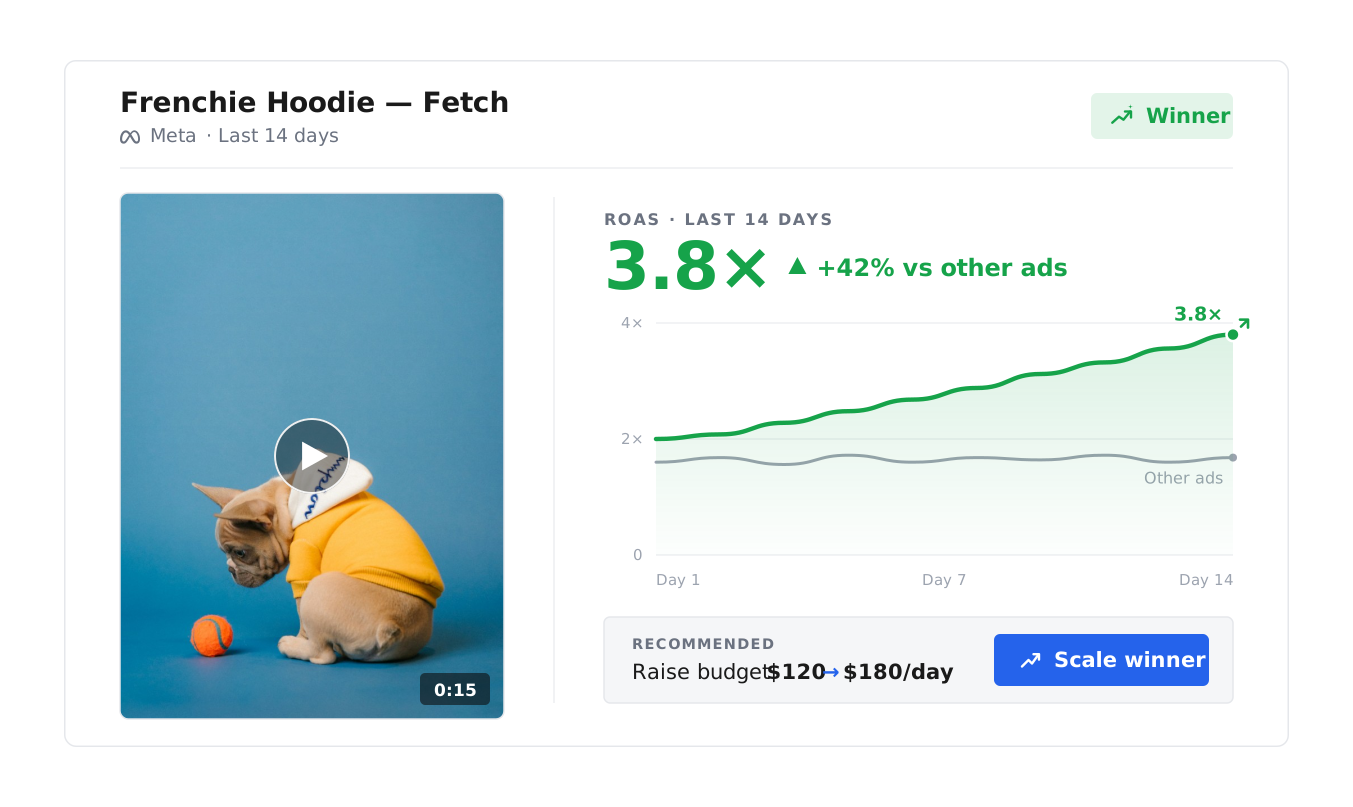
Spot a winning ad, and know when to scale it
Uplifted flags a winning ad when it's beating your other ads by a clear margin and has held that lead long enough to trust — not on one lucky day.
Catch creative fatigue before it costs you
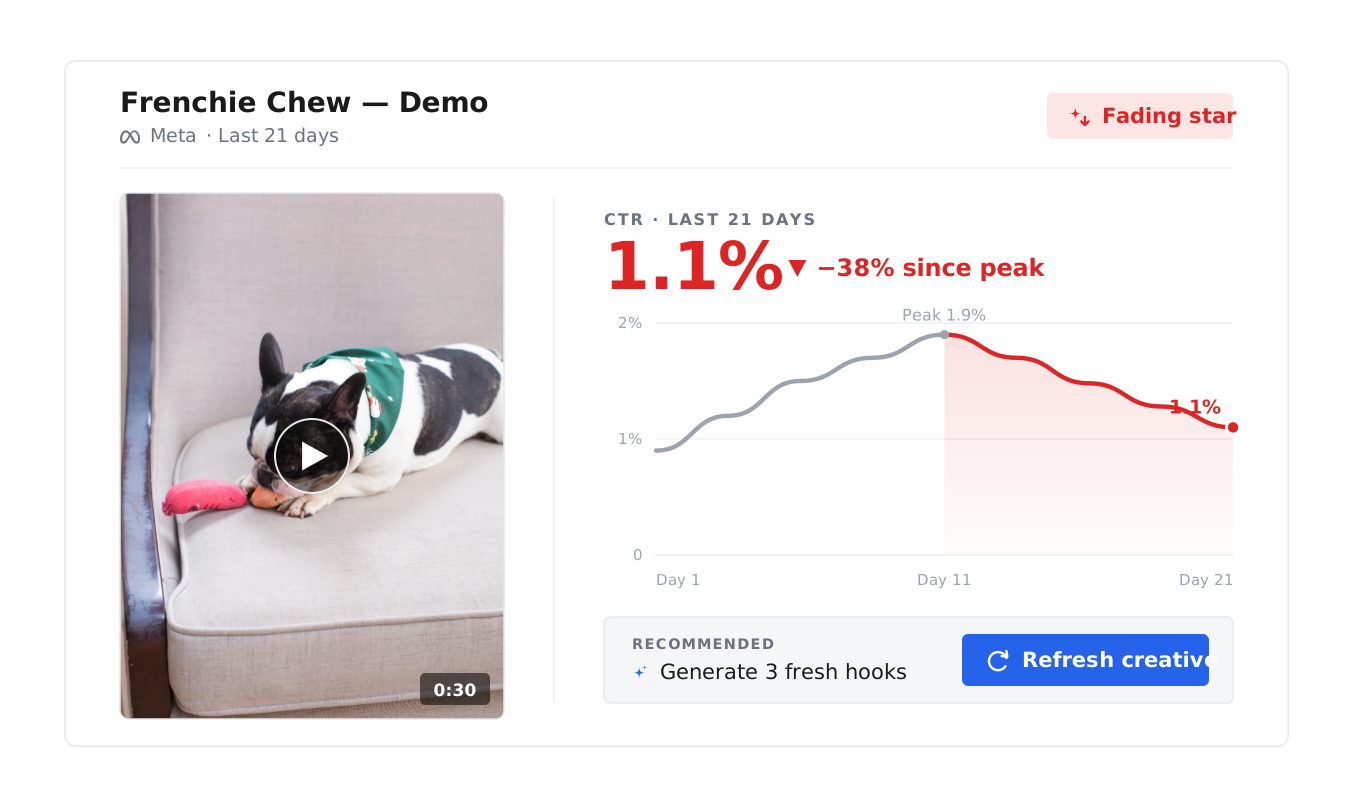
When an ad's click-through starts sliding against its own healthy baseline and keeps sliding, it's flagged for creative fatigue — early, while a refresh still pays off.
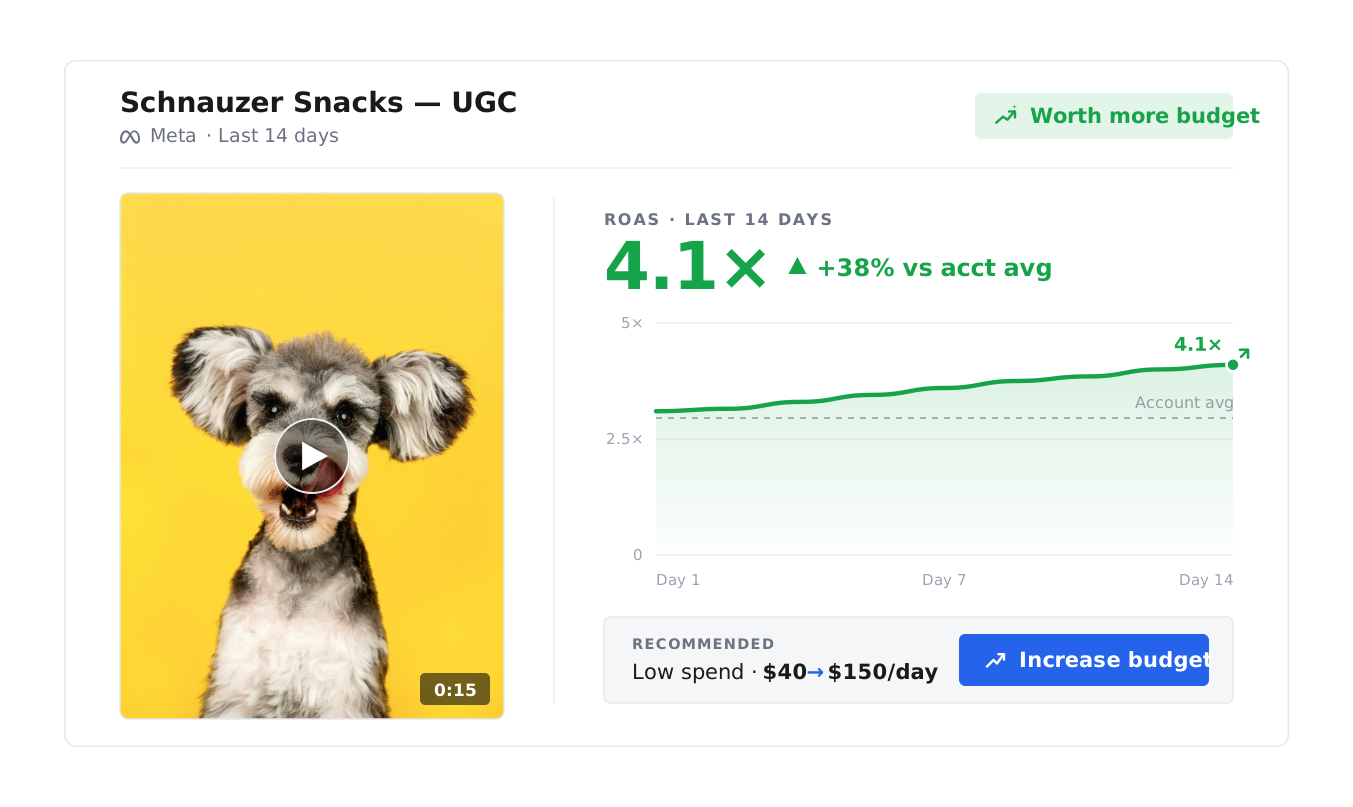
Find the ads quietly worth more budget
Some ads are beating your account average but running on too little spend to be sure. Uplifted flags these as worth more budget, so you find the quiet winners that are starved, alongside the ones already scaled.
Cut the dead weight with confidence
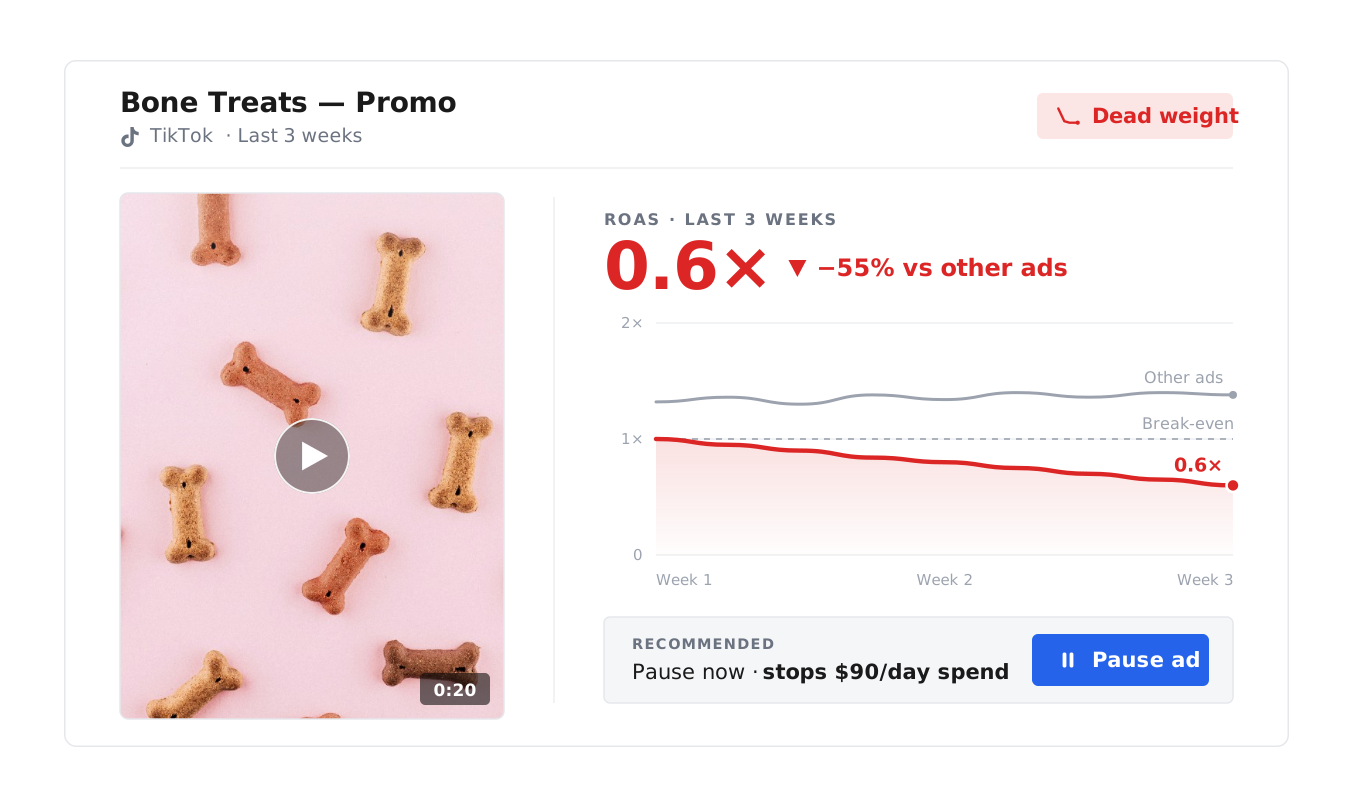
Ads that have been losing against your other creative — and are still declining — get flagged as dead weight, so you stop spending on what's clearly not working, backed by a sustained signal rather than a hunch.
Our AI infrastructure has powered analytics across
$3.4B
REVENUE
11.3M
ASSETS
32B
IMPRESSIONS
47M
CONVERSIONS
$1B
AD SPEND
Signals you can act on, not noise
It waits until a change is real
A single bad day isn't a signal. Uplifted only flags a shift once it's held for several days running, so you're acting on a real trend — not reacting to normal day-to-day swings.
It compares each ad to the right benchmark
Fatigue is measured against the ad's own healthy baseline; winning is measured against the typical ad in the same account.
It knows when it doesn't have enough data
Low-volume ads don't get a confident verdict they haven't earned — Uplifted holds back the signal until there's enough data to trust it.
Frequently asked questions
Which platforms does it cover?
Meta, TikTok, and Google — every ad you run on a connected account gets a signal.
Can I trust a signal enough to act on it?
Yes. Every signal is backed by the numbers behind it — the trend, the peak, and how the ad compares to your others — and Uplifted holds back any verdict it doesn't have enough data to support.
Are the signals real-time?
They refresh every night from your latest data. A change today shows up in the next day's signal, and a bigger shift takes a few days to fully register — by design, so a one-day blip is never mistaken for a trend.
What is creative fatigue (and how do I spot it on Facebook)?
Creative fatigue is when an ad's performance declines as the audience sees it too often — also called ad fatigue or audience fatigue. On Facebook and every other channel, Uplifted detects creative fatigue by watching each ad's click-through rate against its own baseline across the ad lifecycle, and flags a sustained drop so you can refresh before it drains budget.
What makes an ad a “winner”?
An ad is flagged a winner when it's beating the typical ad in your account by a clear margin and has held that lead for long enough to trust — not on a single strong day.
How does Uplifted know when an ad is fatiguing?
It compares each ad's recent click-through rate to its own healthy baseline. When the rate drops by a meaningful margin and stays down for several days running, the ad is flagged as fatiguing — early enough that a refresh still pays off.
What are performance signals?
Performance signals are an automatic verdict on each ad's creative performance — winning, fatiguing, worth more budget, or worth cutting. Uplifted recalculates them every night from your live Meta, TikTok, and Google data, so you always know which ads to scale, cut, or refresh.